Closed-Cell Spray Foam Insulation
If there is a star player on the insulation team, it is closed-cell polyurethane spray foam. It air seals and insulates at the same time, reaches the hard-to-access areas of your attic and home, and delivers energy-efficient comfort that fiberglass batts simply cannot match.
Closed-Cell Spray Foam Insulation for Air Sealing and Energy Efficiency
For years, homes used different insulation materials, from sawdust and vermiculite to today’s fiberglass batts made from spun glass fibers. While fiberglass can help slow heat loss, it does not seal air leaks on its own. Closed-cell spray foam insulation is different because it helps insulate and air seal at the same time. By expanding into gaps, cracks, and hard-to-reach spaces, it creates a tighter barrier that can improve energy efficiency, reduce drafts, and support better indoor comfort.
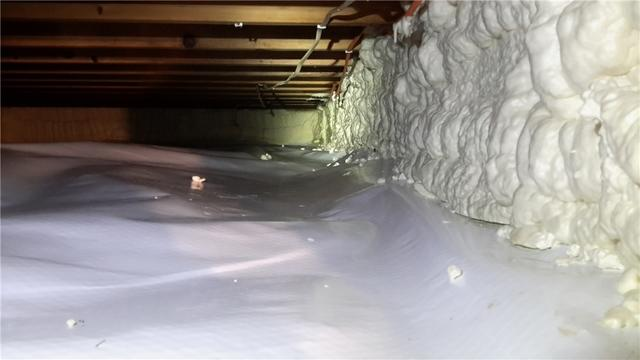
Closed-cell spray foam insulation is applied as a liquid and then expands to fill small cracks, gaps, and hard-to-reach areas. Once it cures, it forms a rigid, continuous layer that helps reduce air leaks while adding a strong R-value per inch. This makes it especially useful in areas where traditional insulation may leave gaps or struggle to provide consistent coverage.
Spray Foam Insulation vs. Fiberglass Batts: What’s the Difference?
Fiberglass insulation can be a budget-friendly option for improving attic and wall insulation, but it does not stop air movement on its own. As a result, conditioned air can still escape through small gaps, cracks, and openings throughout the home. Closed-cell spray foam insulation addresses both insulation and air leakage in a single application by creating a continuous barrier that helps reduce energy loss. Because it expands to fill hard-to-reach spaces, it can provide more complete coverage in areas where traditional insulation materials may leave gaps. When comparing the two options, homeowners should consider factors such as energy efficiency, air sealing performance, moisture resistance, long-term durability, and overall indoor comfort.
Traditional material
Fiberglass Batts
Spun-glass fibers slow heat transfer but do not stop air movement, so leaks pass right through. Batts can sag, compress around wiring, leave voids, and in damp areas absorb moisture and fall out of place, losing their R-value.
Recommended material
Closed-Cell Spray Foam
Expands to seal every gap and adds high R-value per inch in one step. Resists moisture, will not sag or settle, and reaches areas batts cannot. It turns a leaky cavity into a continuous, airtight, insulated barrier.
See the Hidden Benefits of Basement Insulation!

Spray Foam Installation: What to Expect
1.
Free on-site inspection and estimate
A DBS Repair specialist evaluates your home to identify areas where closed-cell spray foam insulation and air sealing can provide the greatest improvement. The inspection focuses on common sources of energy loss, air leakage, and insulation gaps. Based on the findings, you will receive a written proposal outlining recommended improvements designed to help increase energy efficiency, indoor comfort, and overall insulation performance.
2.
Area preparation
Before the installation begins, the work area is carefully protected and prepared to help ensure a clean and efficient process. Surfaces that will receive closed-cell spray foam insulation are cleared of debris and evaluated for proper application. Taking the time to prepare the area helps the insulation adhere correctly and allows the system to deliver the best possible air-sealing and energy-efficiency benefits.
3.
Foam application
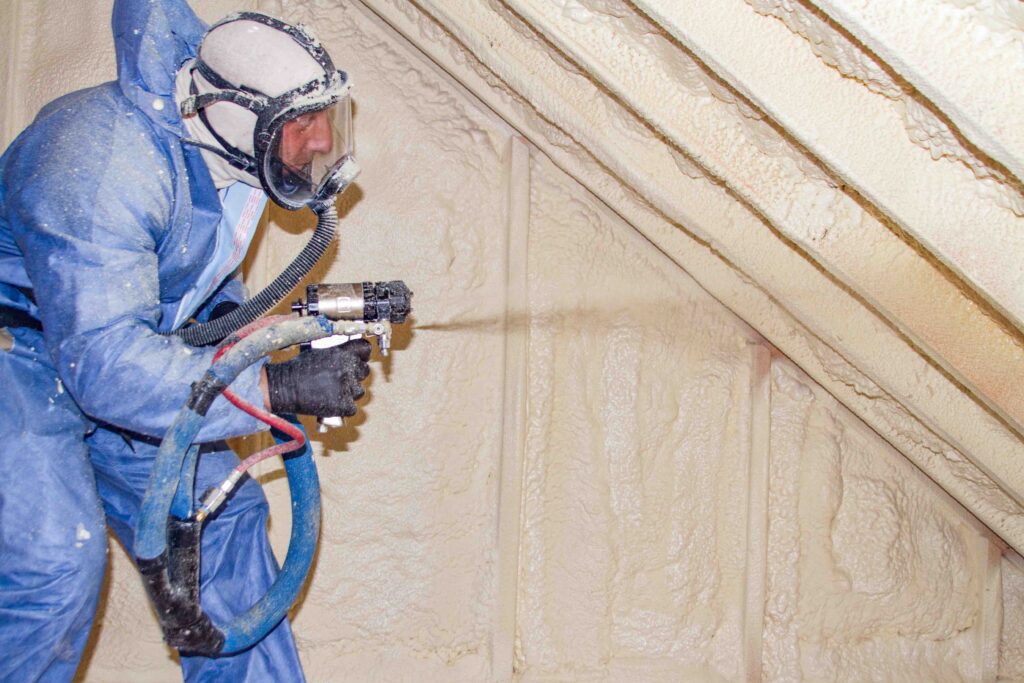
Closed-cell spray foam insulation is installed by trained professionals using a two-part application process. As the material is sprayed, it expands to fill gaps, cracks, rim joists, and other hard-to-reach areas where air leakage commonly occurs. This expanding action helps create a continuous insulation and air-sealing barrier, improving energy efficiency while providing more consistent coverage than many traditional insulation materials.
4.
Trim and finish
After the closed-cell spray foam insulation has fully cured, any areas requiring adjustment are carefully trimmed to create a clean and professional finish. The installation is then inspected to help ensure consistent coverage and proper air sealing throughout the space. Where required, surfaces can be prepared for additional coverings or protective materials to meet building code requirements and support the long-term performance of the insulation system.
5.
Cleanup and walkthrough
Once the installation is complete, the crew thoroughly cleans the work area and removes any remaining materials or debris. A final walkthrough is then conducted to review the completed closed-cell spray foam insulation project, answer any questions, and explain how the new insulation and air-sealing system can help improve energy efficiency, indoor comfort, and overall home performance.
Why Choose Spray Foam Insulation
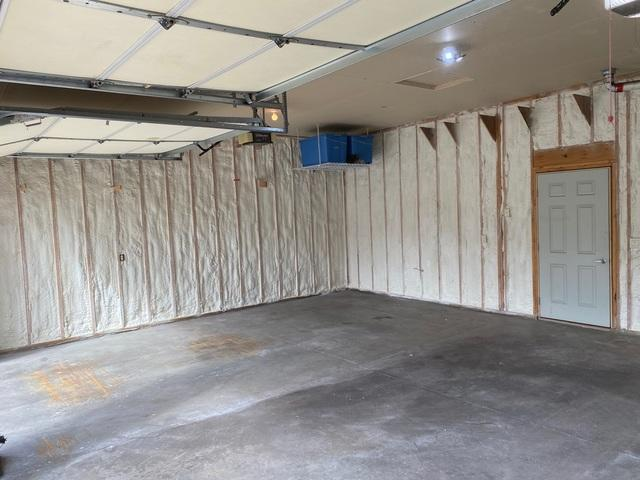
Closed-cell spray foam insulation is often chosen for areas where both insulation and air sealing are important. Unlike many traditional insulation materials, it expands to fill small gaps and hard-to-reach spaces that can contribute to energy loss. This helps create a more continuous thermal barrier throughout the home while supporting improved indoor comfort, reduced drafts, and greater energy efficiency. It is commonly used in crawl spaces, rim joists, basements, walls, and other locations where air leakage can affect overall home performance.
Two Jobs, One Product
Air sealing and insulation happen together, eliminating the leaks fiberglass leaves behind.
Moisture Resistant
Closed-cell foam does not absorb water, so it performs in basements, crawl spaces, and rim joists.
Reaches Everywhere
Expanding foam fills irregular cavities and tight spots that batts cannot cover.
High R-Value
More insulating power per inch means strong performance even in shallow cavities.
Durable
Once cured it holds its shape and R-value for the life of the home, with no sagging or settling.
Energy & Comfort
A green solution that lowers energy bills and evens out temperatures throughout the house.
Seal and Insulate in One Step. Get a Free Inspection
DBS is your trusted spray foam contractor across Minnesota and Wisconsin including Saint Cloud, Maple Grove, Eau Claire, Eden Prairie, and Minneapolis. Every estimate includes an inspection and a written proposal with no obligation.
Home Insulation
Reviews
your neighbors are talking about us…
DBS Repair has been keeping attics, basements, crawl spaces, and walls warm in winter and cool in summer with home insulation across Minnesota and Wisconsin,
from Duluth to Eau Claire, for nearly 15 years!
See what your neighbors have been saying about DBS Repair’s
home insulation services.


Find Your Service Area
Enter your ZIP code to see which service page is right for your area.